
The Practical Guide to Maximizing Sports Sponsorship ROI
Last Updated: November 1, 2026
Quick Summary
Maximizing ROI from sports sponsorship means valuing the outcomes an activation was built to produce and comparing that value to total program cost, not just the rights fee. Use the formula ROI = (Value of outcomes − Total program cost) ÷ Total program cost, and set the target and measurement method before the build is approved.
Total program cost includes freight, install labor, storage, and internal hours, not just the fabrication invoice.
Separate direct, assisted, and influenced attribution, and never let influenced attribution carry the ROI number alone.
Treat the rights fee and activation budget as two separate decisions made at two separate times.
Read the rights agreement for data capture, marks, exclusivity, signage, and sales rights before designing the build.
Audit an underperforming program across five areas before you renew the partnership.
Table of Contents
Why Most Sports Sponsorship Activations Fail to Pay Back
Most sports sponsorship activations fail to pay back because the money buys visibility, not a measurable behavior change.
That distinction matters more than most sponsorship decks admit.
A brand signs a multi-year deal, runs the same generic tent-and-table setup for three seasons, then wonders why the renewal meeting feels defensive.
The fix starts before design. Decide what the sponsorship is supposed to produce, then build backward from that number.
Sports Sponsorship Activation Ideas That Earn Their Space
The activation ideas that earn their space share one trait: they create a reason for a fan to stop, participate, and hand over something. Attention alone is not the goal.

Five formats that can do that work:
Timed skill challenges. A passing accuracy contest or reaction-time test gives fans a score to compare and share. It produces dwell time and content at the same time.
Photo moments built for sharing. A branded set piece with real production value beats a step-and-repeat every time. Design it for a vertical phone frame.
Sampling tied to a game moment. Hand out product when the crowd is already on its feet, not during a lull.
Player or alumni appearances. A short, scheduled window with a real queue beats an unscheduled "may appear" promise.
Hospitality with a job to do. A VIP lounge should host a specific conversation, not just offer free food.
A common mistake is overbuilding the footprint. A tight activation with a clear queue and fast throughput often works better than a larger space that fans walk past.
Measuring Experiential Marketing ROI Without Fooling Yourself
Measuring experiential marketing ROI means assigning a dollar value to the outcomes the activation was built to produce, then comparing that value to total program cost, not just the rights fee.
Breakthrough Productions
ROI = (Value of outcomes − Total program cost) ÷ Total program cost
The left side is where programs get inflated. The right side is where they get understated. Fix both before you present a number.
Build total program cost honestly
Total cost is not the invoice from the fabricator. It is every dollar the program consumed:
Rights fee or sponsorship rights allocation for the season
Design, engineering, and project management
Fabrication, graphics, lighting, and AV
If your ROI model only uses the fabrication invoice, you are grading on a curve you set yourself.
Value outcomes, not activity
Rank the outcomes by how close they sit to revenue, and assign a defensible value to each:
Qualified leads captured, value them at your historical lead-to-close rate times average deal or customer value. If a lead is worth a known amount in your pipeline, say so; if it isn't, don't pretend.
Conversion actions, a unique code redemption, app download, landing page completion, or trial signup. Value these against your existing cost per acquisition from paid channels, the cleanest ROI argument a sponsorship team can make.
Pipeline influenced, for B2B programs, the meetings booked and opportunities opened at the activation, tracked in the CRM with the activation as the source.
Use a three-tier attribution model
Attribution is where most programs fool themselves. A practical model separates three tiers:
Direct attribution, the fan scanned the code, filled the form, and redeemed the offer. You can trace that person end to end. This is the smallest bucket and the most credible.
Assisted attribution, the person engaged at the activation and converted later through another channel. Match on email, phone, or loyalty ID where you can, and accept that some of this will be directional.
Influenced attribution, the awareness and consideration lift you can only measure through survey work. Report it, but never let it carry the ROI number on its own.
The trap is mixing the tiers. A high dwell time with zero captured leads is a design problem, not a success story. A big influenced-attribution number with no direct conversions is a media buy wearing a sponsorship costume.
Pro Tip Set the ROI target and the measurement method before the build is approved. If the objective is leads, the capture mechanism belongs in the fabrication drawings, not bolted on the week before load-in.
For a deeper method, our guide to measuring experiential marketing ROI walks through goal-setting and KPI selection step by step. If you need the specific metrics that hold up in a board review, this breakdown of the best metrics for tracking experiential marketing success covers dwell time, lead attribution, and sentiment.
The three-tier attribution model separates what you can prove from what you can only estimate.
Tier | What it captures | How to treat it |
Direct attribution | Fan scanned code, filled form, redeemed offer | Smallest bucket, most credible |
Assisted attribution | Engaged at activation, converted later elsewhere | Match on email, phone, or loyalty ID |
Influenced attribution | Awareness and consideration lift via survey work | Report it, never let it carry ROI alone |
Sponsorship Activation Best Practices for Budget, Rights, and Risk
Three things sink sponsorship programs: an activation budget that never got funded, rights that were assumed rather than read, and a build that could not survive the venue. None of them show up in the sponsorship deck. All three show up in the post-season review. Capturing the tangible evidence of these failures often requires a rigorous approach to sponsor activation photography to ensure that every missed opportunity is documented for future strategic adjustment.
Fund activation as a protected pool, not a leftover
Brands that get payback treat the rights fee and the activation budget as two separate decisions made at two separate times. The rights fee buys access; the activation budget buys the behavior change. If the second is whatever is left after the first, the program is already in trouble.
A practical allocation framework, stated as ranges rather than fixed rules:
Rights fee: the contracted cost of the partnership itself.
Activation and fabrication: the physical build, graphics, AV, and interactive elements.
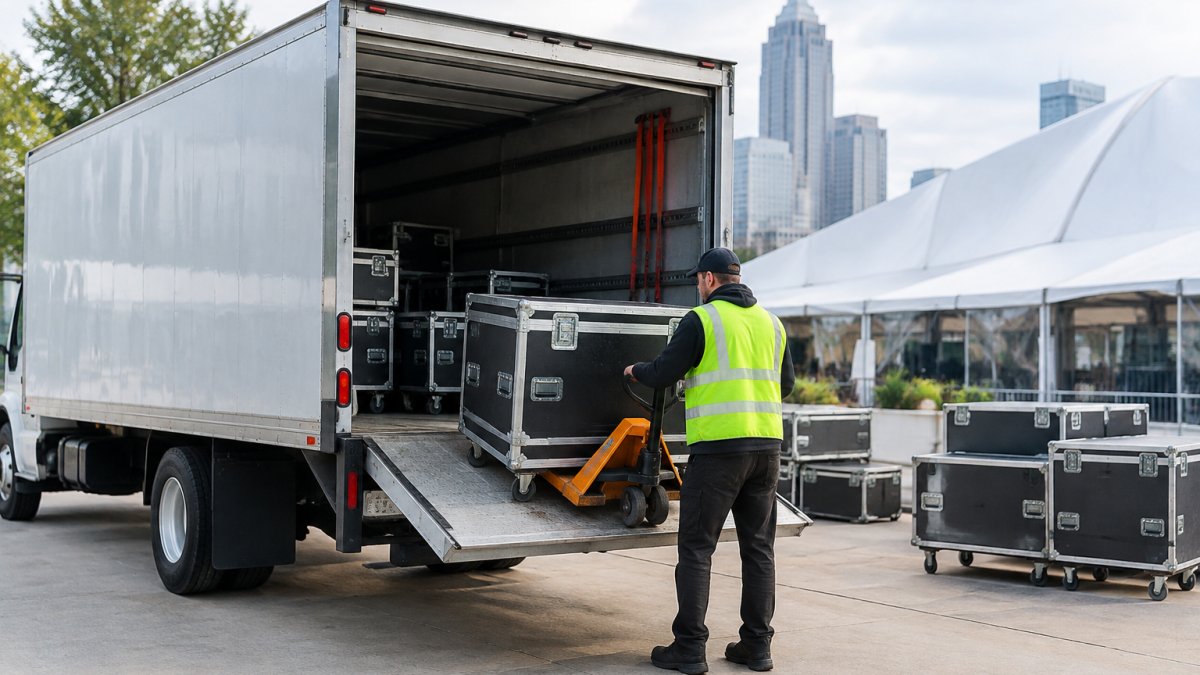
Freight, install, and labor: crating, drayage, install crews, and on-site staff.
A program that spends most of its budget on the rights fee, with everything else as an afterthought, tends to produce visibility and little else.
Watch Out The most expensive line item in a sponsorship is usually not the one on the quote. It is the rework, re-ship, and re-install caused by a design that ignored venue regulations or a build that could not be crated. Budget for it, or design it out.
Read the rights agreement for what it actually permits
Category exclusivity, signage placement rules, venue load-in windows, whether you can sell on site, whether you can collect fan data, and whether you can use team marks in your own paid media all live in that document. Assuming you have a right you do not have is an expensive way to find out at the dock.
The rights questions that most often change the build:
Data capture: can you collect fan contact information, and under what consent terms?
Marks and likeness: can you use team or league logos in your own social and paid media, or only in-venue?
Category protection: does exclusivity actually block a competitor from activating nearby, or only from signing a deal?
Engineer for the venue, not the rendering
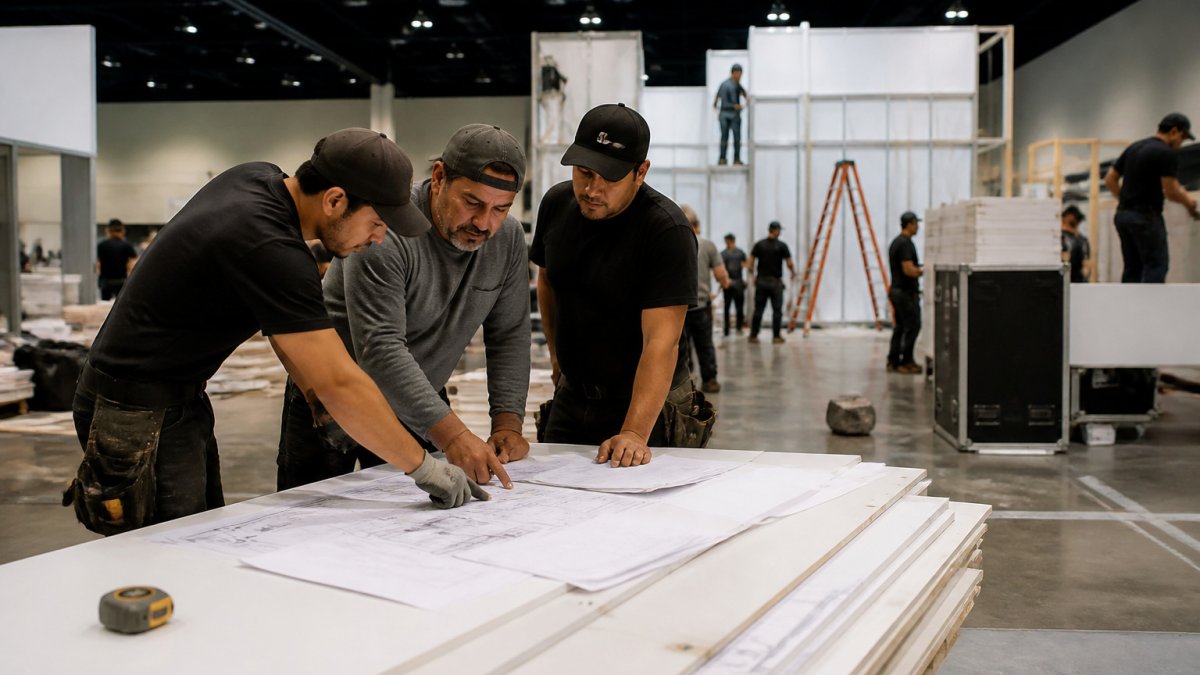
Venue regulations on rigging, power, floor loading, flame retardancy, and load-in windows are enforced at the dock, not negotiated at the door. A design that ignores them gets rebuilt on site at your cost, on the venue's schedule, in front of your guests.
A design review before fabrication should answer: How does it ship? How many cases? Can two people install it, or does it need a crew and a lift? What is the power draw?
Audit the failing sponsorship before you renew
Most guides cover success. The higher-value exercise is auditing a program that underperformed, because the renewal decision is usually made on emotion unless someone brings data.
A practical review covers five areas:
Did the activation hit its stated objective, measured against the number set before the event?
What was total cost, including freight, labor, install, storage, and internal hours?
Which elements produced the most qualified engagement, and which produced foot traffic only?
That last question is where fabrication decisions pay off or cost you.
For a line-by-line view of what actually moves the number, this breakdown of what drives custom brand activation cost covers design, materials, freight, install, and the line items most event budgets miss.
Sports Marketing Activation Examples Worth Copying
The best sports marketing activation examples are not the biggest ones.
Picture a mid-market brand with a fan-zone footprint and a modest budget.
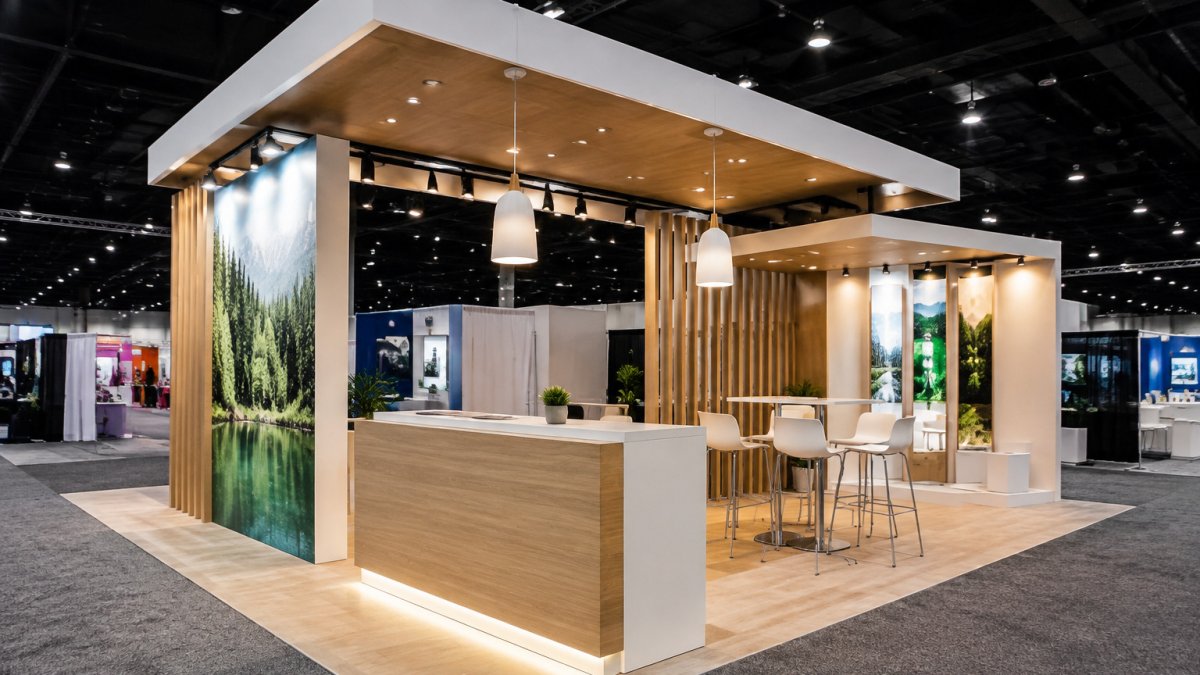
That is the pattern worth copying: modular fabrication, a single clear interaction, and a capture mechanism built into the experience rather than bolted on afterward.
If you want more formats to adapt, this collection of experiential marketing strategy examples covers pop-ups, shop-in-shops, and interactive installs alongside sports programs.
B2B Versus B2C Sponsorship: Two Different Return Equations
B2C sponsorship returns come from volume: many fans, many impressions, many small conversions. B2B sponsorship returns come from depth: fewer conversations, longer cycles, and a much higher value per contact.
That difference should change the build. A consumer activation optimizes for throughput and shareability.
Underperforming B2B sponsorships are often consumer activations with a business card stapled to them. A smaller, better-appointed hospitality footprint and a pre-booked meeting schedule are usually a better fit than a bigger booth.
The Post-Activation Audit: What to Review Before You Renew
A practical review covers five areas:
That last question is where fabrication decisions pay off or cost you. Modular structures designed for reuse change the economics of a multi-market program, while one-off builds quietly reset the cost every season.
Planning Your Next Activation? Start With the Objective, Not the Booth
The hardest question in sponsorship is not what to build. It is what the program is supposed to produce, and whether the physical experience is engineered to produce it.
We ask that question first. Breakthrough Productions designs, fabricates, ships, and installs sports and fan experiences, sponsorship activations, and branded environments nationwide. We work from a finished rendering, a rough concept, or a defined budget.
If you are planning a fan experience or sponsorship activation, start with the objective and let the build follow. You can explore our events and brand activation production services and start a conversation about your project.
Frequently Asked Questions
How do you measure ROI for sports sponsorship activations?
Build a measurement plan before the event, not after. Tie the activation to one primary business goal, such as qualified leads, trial, or merchandise sales, and pick two or three supporting metrics like dwell time, photo shares, or app sign-ups. Use unique QR codes, promo codes, and tagged landing pages so you can trace conversions back to the activation. Compare total cost, including rights fees, fabrication, freight, labor, and installation, against attributed revenue and pipeline value. Brand lift surveys add context, but they should support the numbers, not replace them.
What are the most effective sports sponsorship activation ideas?
The strongest ideas give fans a reason to stop and do something. Photo moments with branded props, skills challenges with a leaderboard, player meet-and-greets, product sampling tied to game moments, and VIP lounges with exclusive content all work because they create participation instead of passive viewing. Pair each idea with a data capture step, such as a QR code or sign-up, so the interaction produces a measurable record. Rehearse the fan flow so lines do not stall and staff can reset the space between waves.
How can physical brand experiences improve sponsorship ROI?
A physical experience turns a logo on a banner into a conversation. Fans who touch, try, or play with your brand spend more time with it, and that time creates chances to capture contact data, sample product, and generate social content. Design the space so the interaction is obvious from twenty feet away, then make the follow-up step simple, like a text sign-up or a code on the giveaway. When the build is modular and reusable, you spread the fabrication cost across multiple events and markets, which improves the return on the same investment.
What common mistakes kill ROI in sports marketing?
Three mistakes show up often. First, buying the rights and treating activation as an afterthought, which leaves the brand invisible on game day. Second, skipping the measurement plan, so no one can prove what the spend produced. Third, overbuilding a one-off structure that cannot ship, store, or be reused, which drives up freight and labor and leaves nothing for the next market. Fix these by budgeting activation and measurement alongside the rights fee, and by designing for assembly and reuse from the first sketch.
How do you align sponsorship goals with experiential production?
Start with the business objective and work backward into the build. If the goal is lead capture, the production plan needs power, connectivity, and a clear sign-up path. If the goal is sampling, it needs storage, refrigeration, and a service flow that keeps lines moving. Share the objective, the budget, and the venue rules with your fabrication partner early, then review the design against freight, install time, and staff needs. The build should serve the goal, not the other way around.
What should a post-activation audit include?
A useful audit covers four areas: results against the original KPIs, cost actuals versus budget, operational performance, and fan feedback. Record dwell time, participation counts, leads captured, and conversions attributed. Note what broke, what arrived late, and how long installation took. Collect staff observations and a short fan survey. End with a one-page recommendation on what to repeat, what to cut, and what to change before the next event, and use that page to decide whether the sponsorship deserves a renewal.
Sponsorship money is easy to spend and hard to defend. The programs that survive renewal are the ones where someone decided, early, what the activation had to prove. Bring us the objective and the deadline, and we will tell you what should be built, how it ships, and how it gets measured. Get started with Breakthrough Productions and turn your next sponsorship into a program you can defend in the renewal meeting.
Comments